





Fuel for the Future: Understanding Pellet Production and Its Environmental Impact
As the world seeks sustainable alternatives to fossil fuels, biomass energy has emerged as a viable option. Among the various forms of biomass, wood pellets have gained significant attention as a renewable energy source. Produced from compressed organic materials, wood pellets are increasingly used for heating and power generation. However, understanding the production process and its environmental implications is crucial for evaluating their role in a sustainable energy future. This article delves into the intricacies of pellet production and its environmental impact.
What Are Wood Pellets?
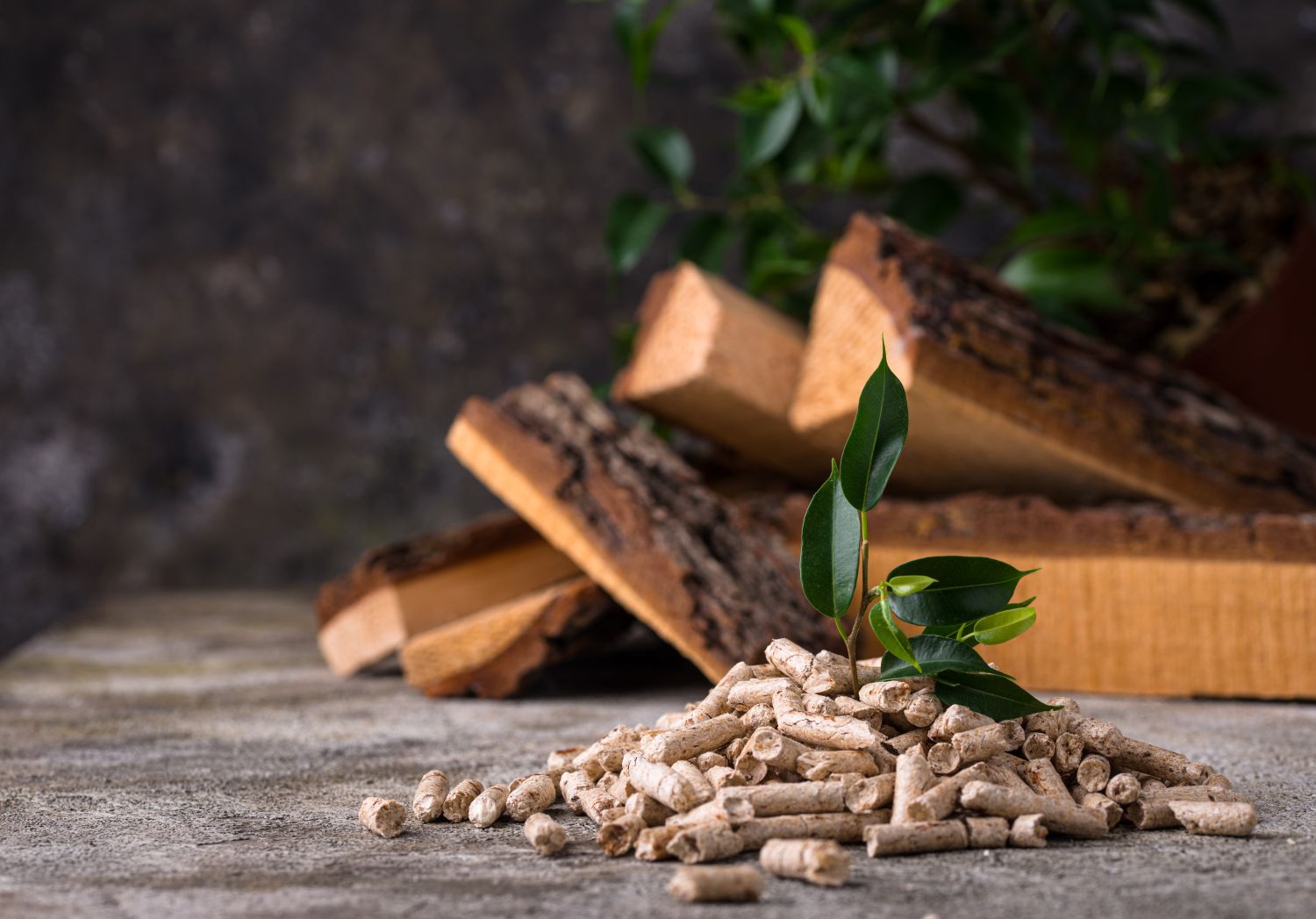
Wood pellets are small, cylindrical pieces of compressed biomass, primarily made from sawdust, wood shavings, and other wood by-products. They are commonly used in pellet stoves, boilers, and power plants as a source of heat and energy. The production process typically involves drying, grinding, and compressing the raw materials into pellets, which are then packaged and distributed for use.
The Pellet Production Process
Raw Material Sourcing
The production of wood pellets begins with sourcing raw materials. Sustainable sourcing practices are essential to minimize environmental impact. This often involves using wood residues from lumber mills, sawdust from furniture production, and other by-products that would otherwise go to waste. Sourcing from sustainably managed forests ensures that the production of pellets does not contribute to deforestation or habitat loss.
Grinding and Drying
Once the raw materials are collected, they are ground into a fine powder. This process increases the surface area of the wood, making it easier to compress into pellets. After grinding, the material is dried to reduce its moisture content, as high moisture levels can hinder the pelletizing process and reduce the energy density of the final product.
Pelletizing
The dried wood material is then fed into a pellet mill, where it is subjected to high pressure and temperature. This process causes the lignin within the wood to melt, binding the particles together and forming pellets. The resulting pellets are cooled and screened to remove any fines, ensuring a consistent product.
Packaging and Distribution
After pellet production, the pellets are packaged in bags or bulk containers and distributed to consumers. Proper storage and handling are essential to maintain pellet quality and prevent moisture absorption, which can lead to spoilage.
Environmental Impact of Wood Pellet Production
Carbon Neutrality
One of the primary arguments for using wood pellets as a renewable energy source is their potential carbon neutrality. When burned, wood pellets release carbon dioxide (CO2) into the atmosphere. However, the carbon released is roughly equal to the amount absorbed by the trees during their growth. This closed carbon cycle can help mitigate climate change when managed sustainably.
Land Use and Deforestation Concerns
While wood pellets can be sourced sustainably, there are concerns about land use and deforestation. Unsustainable logging practices can lead to habitat destruction, loss of biodiversity, and increased greenhouse gas emissions. It’s crucial to ensure that wood pellets are sourced from certified sustainable forests to avoid these negative impacts.
Air Quality and Emissions
The combustion of wood pellets can produce particulate matter and other pollutants, which may affect air quality. However, modern pellet stoves and boilers are designed to burn pellets more efficiently, resulting in lower emissions compared to traditional wood-burning systems. Using high-quality pellets with low moisture content can further reduce emissions, making them a cleaner alternative to fossil fuels.
Soil and Water Impact
The production of wood pellets can also have implications for soil and water quality. Sustainable forestry practices help maintain soil health and prevent erosion, while responsible water management can reduce the risk of contamination from production facilities. It’s essential to monitor and manage these aspects to minimize environmental harm.
The Role of Policy and Certification
Sustainable Certification Programs
To ensure the environmental sustainability of wood pellet production, various certification programs have been established. Organizations such as the Forest Stewardship Council (FSC) and the Sustainable Forestry Initiative (SFI) provide guidelines for responsible sourcing and management of forestry resources. These certifications help consumers identify products that adhere to sustainable practices.
Government Policies and Incentives
Government policies play a significant role in promoting the use of renewable energy sources, including wood pellets. Incentives for biomass energy production, support for sustainable forestry practices, and regulations on emissions can all contribute to a more sustainable pellet industry. Continued advocacy for sound policies is essential for fostering a responsible and environmentally friendly market.
Conclusion
Wood pellets present a promising alternative to fossil fuels, offering a renewable energy source that can help reduce greenhouse gas emissions when produced and used sustainably. Understanding the pellet production process and its environmental impact is crucial for making informed decisions about energy consumption. By prioritizing sustainable sourcing, adhering to certification programs, and supporting responsible policies, we can harness the potential of wood pellets while minimizing their ecological footprint. As we move toward a more sustainable energy future, the careful consideration of biomass resources like wood pellets will be vital for balancing energy needs and environmental stewardship.
